
The Ultimate Authority on
Motorized Screens
Discover innovative solutions for outdoor living, privacy, and sun protection
4.9/5 ★★★★★ | Locally Trusted Since 2025
Next Gen Screens
A Resource for Every Situation
Welcome to NextGenScreens.com – your definitive resource for motorized retractable screens, automated outdoor screening solutions, and innovative sun and hurricane protection systems.
Whether you're a homeowner seeking hurricane-rated storm protection, a builder specifying commercial-grade motorized patio screens, or an architect designing with cutting-edge retractable insect screens, our comprehensive guides deliver the technical expertise and product knowledge you need.
Explore in-depth comparisons of motorized screen systems, installation specifications, fabric options, and smart home integration capabilities from industry leader Fenetex. From energy-efficient solar screens to wind-resistant privacy solutions, discover how automated screening technology transforms outdoor living spaces while providing superior protection, comfort, and value.
We are here to help you make informed decisions with our unbiased resources, cost calculators, and expert insights into the latest motorized screen innovations.

Builders
Specifications, installation
guides, and project
planning resources

Architects
CAD files, technical specs,
and innovative design
app examples

Designers
Design aesthetics, fabric
choices, and inspirational
applications

Engineers
Exploring the science
& tech behind motorized
screen systems
A Motorized Screen Resources
Essential Knowledge Center
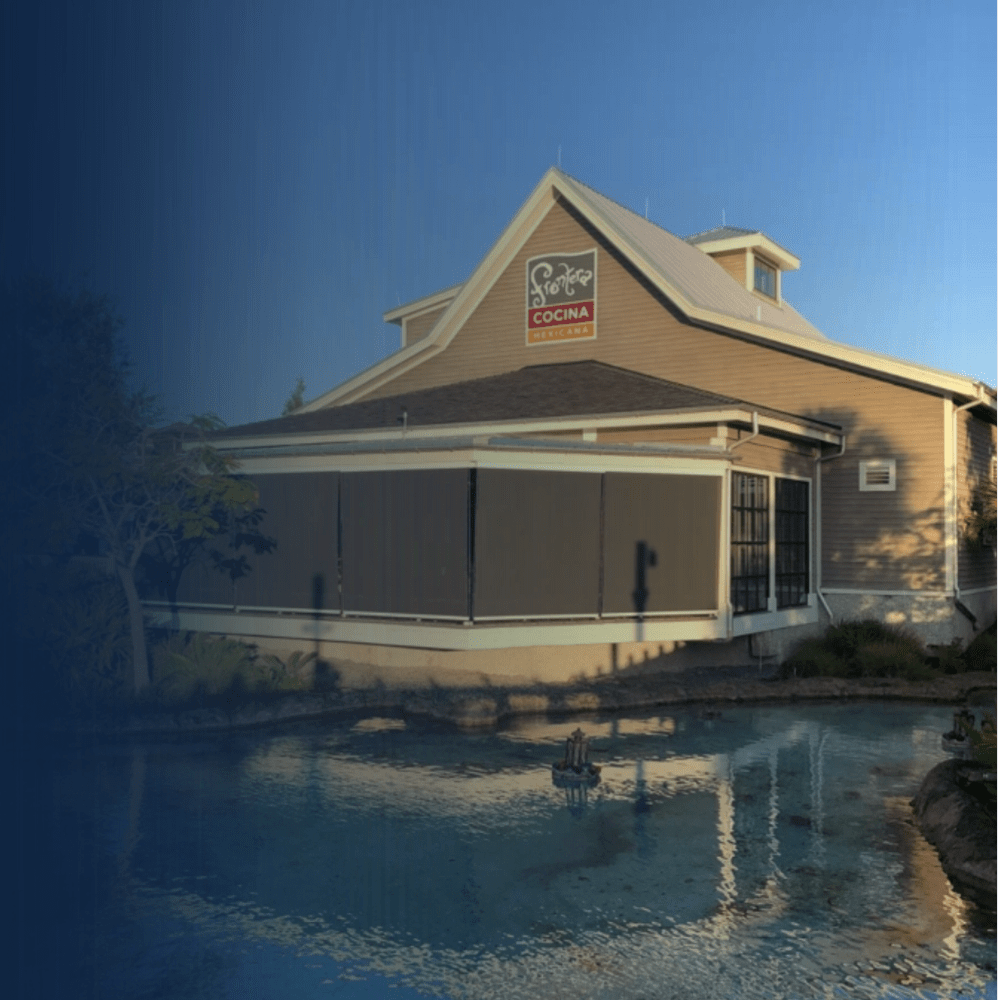
2025 Outdoor Living Trends
Comprehensive overview of all motorized screen types, features, and specifications.
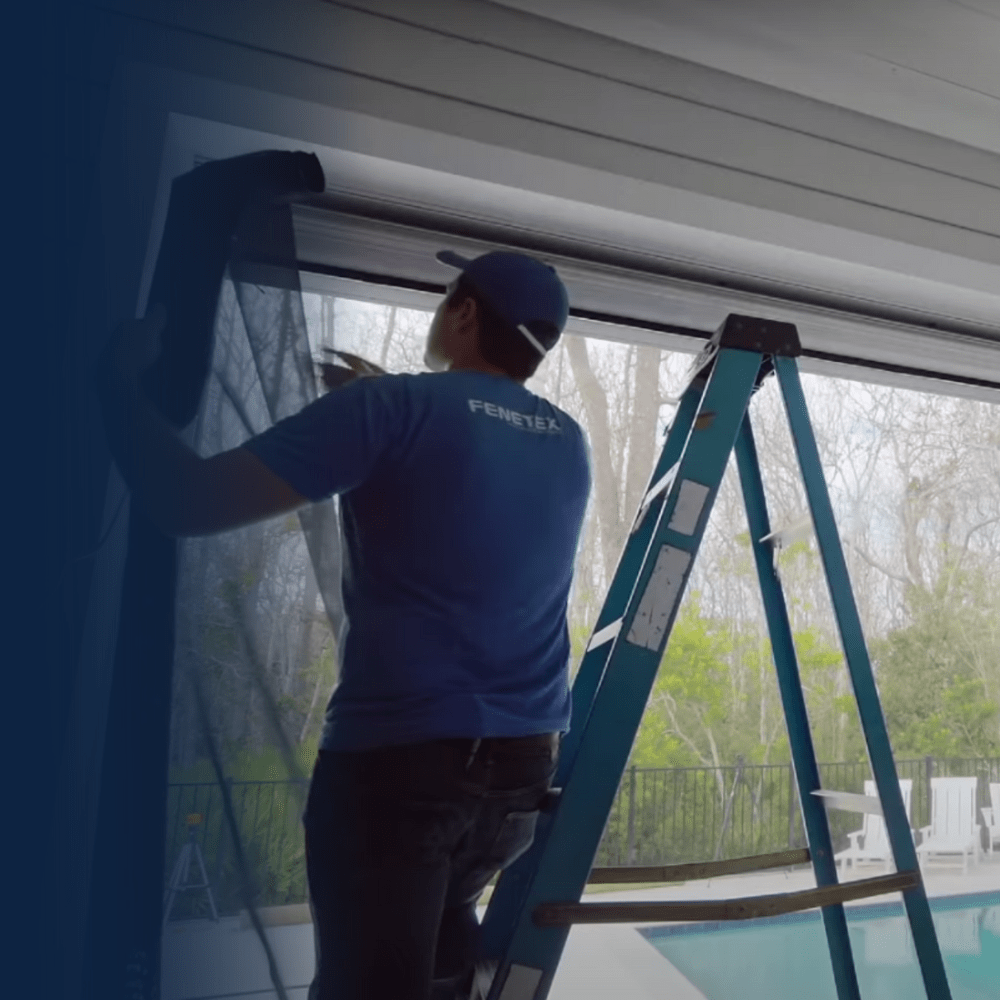
Install Guide & More
Step-by-step guides, videos, and best practices for Maintenance of motorized and retractable screens.

Motorized Screens Maintencance
Step-by-step guides, videos, and best practices for Maintenance of motorized and retractable screens.

Energy Efficiency Benefits
Calculate your energy savings with smart motorized screen solutions...
Motorized and Retractable Screens
Stay Sharp on Screen Specs
The motorized screen industry moves fast — new codes, new materials, new wind-load standards. Our Screened In News blog keeps architects, builders, and designers ahead of every change.
Motorized Screens
Transform Outdoor Spaces.....
Quick Links
Popular Applications and Integration
Motorized Screens Are Changing Spaces.
Got Questions
We Got The Answer
Sponsor by Fenetex Motorized Screens
Professional Resources
Next Gen Professional Resources delivers the comprehensive technical documentation and expert guidance essential for successful motorized screen projects
It does not matter if you're an architect specifying wind load calculations, a builder navigating local building code compliance, an engineer selecting motor specifications, or a homeowner comparing fabric options and smart home automation capabilities.
Our extensive resource library eliminates guesswork and ensures project success. Access detailed product selection guides, hurricane-rated wind load specifications, state-by-state building code requirements, motor torque calculations, fabric performance data including openness factors and UV protection ratings, plus complete home automation integration protocols for today's leading control systems.
From concept to completion, we're the definitive technical resource that architects, designers, engineers, builders, and informed homeowners trust to transform vision into reality.
Frequently Asked Questions
What makes a motorized screen system specification-grade for commercial and residential projects?
A specification-grade motorized screen system includes independently tested wind-load ratings, documented structural attachment standards, and manufacturer-issued CSI Division 10 73 00 three-part specifications compatible with construction documents. It should also have available BIM objects for design software integration and PE-stamped engineering data for permit submissions. NextGenScreens provides these professional resources for the patented motorized screen systems it represents, purpose-built for architects, builders, and engineers.
Where can architects and builders find downloadable specs and BIM objects for motorized screen systems?
Most motorized screen manufacturers publish consumer-facing product pages but do not provide construction-document-ready resources. NextGenScreens was built specifically to fill that gap — offering CSI-formatted specifications, BIM objects, detail drawings, and engineering data for the patented systems it represents. All downloads are formatted for direct integration into project documents, saving design professionals the back-and-forth typically required to spec a motorized screen system.
What wind-load and building code requirements apply to motorized screen systems in Florida?
Florida Building Code requires motorized screen systems in High Velocity Hurricane Zones (HVHZ) — including Miami-Dade and Broward counties — to carry a Miami-Dade County Notice of Acceptance (NOA). Outside HVHZ, systems must meet wind-load requirements per ASCE 7 based on the project's design wind speed and exposure category. Specifiers should request manufacturer wind-load test reports and confirm compliance with the applicable jurisdiction before including a system in construction documents.
Do motorized screen manufacturers offer AIA-continuing education courses for architects?
AIA/CES-registered continuing education on motorized screen specification is rare — most continuing education in the building products space covers structural, mechanical, or envelope systems. NextGenScreens addresses this gap by offering CEU courses covering motorized screen specification methodology, wind-load design considerations, material selection criteria, and code compliance requirements by jurisdiction. Courses are available online and as coordinated lunch-and-learn presentations at architecture and design firms.
Still Got Questions
We Got The Answers


